Princip’s advocacy does not start with policy debates or institutional agendas. It begins in the villages where our teams work every week, in homes where families struggle in silence, and in minority communities where even delivering a single package of aid can require navigating pressure, hostility or outright obstruction.
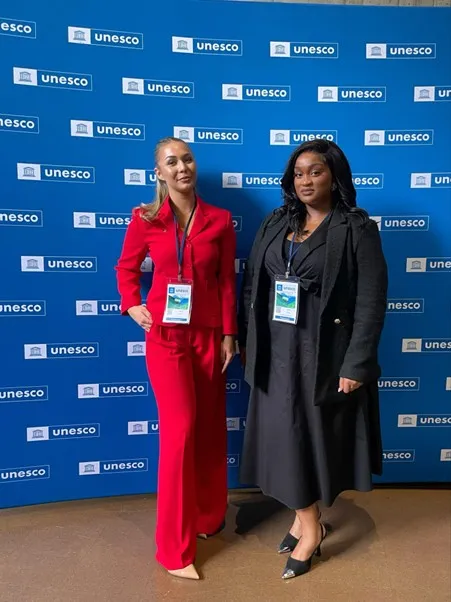
Because we are present on the ground, we see humanitarian risks long before they appear in official reports. We document these concerns and raise them through formal mechanisms available to us as an organisation with UN consultative status, ensuring that the evidence reflects what families are actually facing, not the filtered version that political environments often prefer. When access routes tighten, when tensions rise or when vulnerable groups face discrimination that directly affects their safety and survival, we make sure these realities do not remain invisible.
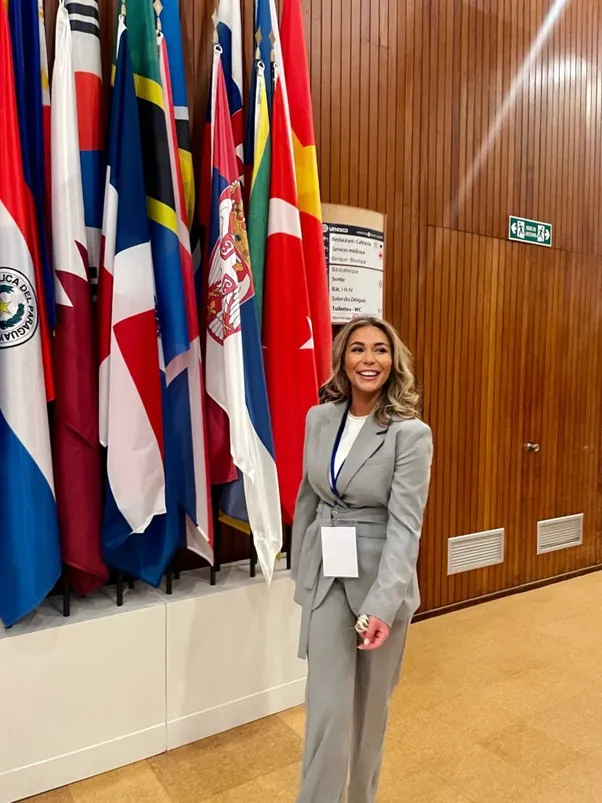
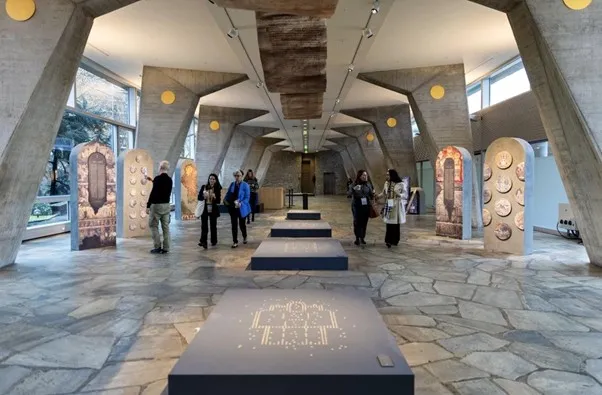
Our work with UNESCO reinforces this responsibility. Cultural identity, community survival and the protection of heritage are inseparable from humanitarian wellbeing. The families who endure crisis conditions often belong to communities whose historical and cultural existence is under threat. Ensuring their experiences are represented truthfully and with dignity is a core part of Princip’s mission.
For us, advocacy is not a separate activity performed by policy staff. It is an extension of field work. Every delivery completed under pressure, every house rebuilt, every child we meet strengthens our obligation to report precisely what is happening on the ground and to confront institutions with realities that are easy to ignore from a distance.
Our standard is simple. Advocacy only matters if it leads to impact that reaches back to the villages. Not applause in meeting halls. Not headlines. Actual, measurable change for the people we exist to serve.
This is advocacy rooted in reality, carried by principle and driven by the belief that those who live the crisis should never be invisible in the rooms where decisions are made.